Peruvian Ceviche: Why It Reigns Supreme Among Latin Variations
In the vibrant tapestry of Latin American cuisine, few dishes capture the essence of a nation quite like ceviche. This refreshing, tangy, and utterly addictive seafood creation has taken the culinary world by storm, but ask any connoisseur, and they'll tell you: Peruvian ceviche stands as the undisputed champion. More than just a dish, it's a cultural icon, a testament to ancient traditions, and a celebration of the ocean's bounty.
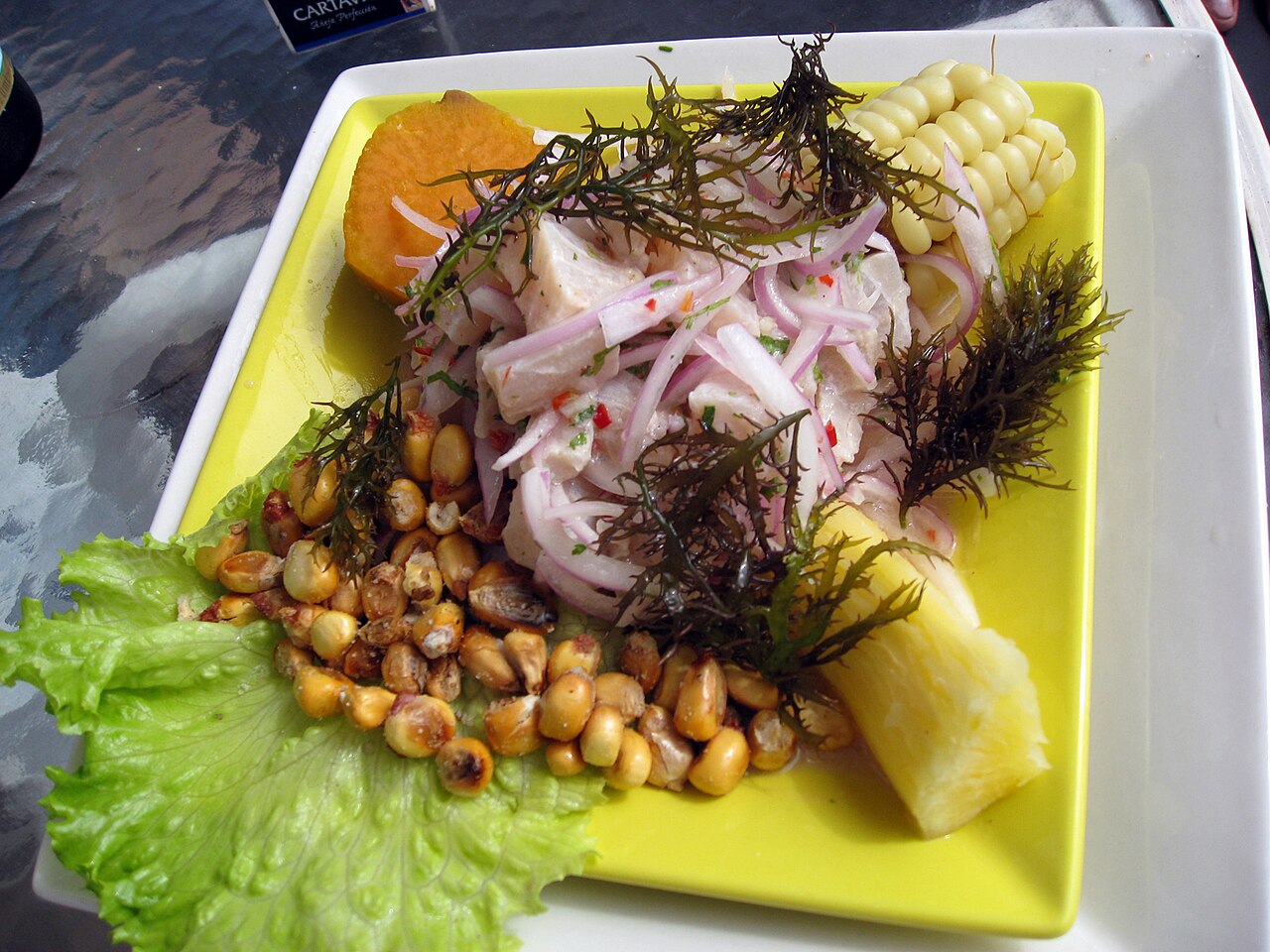
Originating from the sun-drenched coast of Peru, ceviche is a marvel of simplicity and sophistication. It typically features succulent pieces of fresh, raw fish or shellfish—often sea bass, flounder, or shrimp—"cooked" by the potent acidity of citrus juices, most commonly lime. This natural marination process denatures the proteins, transforming the fish from translucent to opaque, giving it a firm texture and an explosion of flavor without ever touching heat. Seasoned with an artful blend of red onions, fiery chili peppers (Peruvian aji varieties are key), salt, and fresh cilantro, the resulting dish is served chilled, offering a sublime balance of tangy, spicy, and savory notes that perfectly encapsulate coastal Peruvian gastronomy.
The Heart of Peruvian Ceviche: A Symphony of Freshness and Flavor
What truly sets Peruvian ceviche apart is its unwavering commitment to absolute freshness and the masterful balance of its core components. The quality of the fish is paramount; it must be impeccably fresh, ideally caught just hours before preparation. While common choices include sea bass (lenguado or corvina), tilapia, or shrimp, skilled chefs often opt for the freshest local catch, ensuring a tender, flaky texture that's fundamental to the experience.
The transformation occurs in the "leche de tigre," or "tiger's milk"—the zesty, milky marinade that forms the soul of Peruvian ceviche. This powerful elixir is a concentrated blend of lime juice, fish juices, sliced red onion, aji peppers, cilantro, and salt. Often served as a shot alongside the ceviche, Peru's Ceviche: A Zesty Journey into Raw Fish & Ancient Roots reveals how this invigorating liquid is believed to have restorative properties, making it as much a beverage as a marinade.
The dish is rarely served alone. Traditional accompaniments are integral to the complete Peruvian ceviche experience, providing contrasting textures and flavors that enhance the main event:
- Choclo: Large, starchy boiled corn kernels that offer a subtle sweetness and satisfying chew.
- Camote: Slices of boiled sweet potato, whose natural sweetness perfectly mellows the tanginess and spice of the ceviche.
- Cancha: Crispy, toasted corn nuts that provide a delightful crunch.
- Yuyo: Sometimes, a piece of edible seaweed is added, lending a unique oceanic depth.
A Journey Through Time: The Ancient Roots and Evolution of Peru's National Dish
The story of ceviche is as rich and complex as Peru itself, a culinary narrative stretching back over two millennia. Its origins firmly place it along Peru's Pacific coast, long before the arrival of Europeans.
Pre-Columbian Origins
Indigenous Andean civilizations along the Peruvian coast were adept at preserving and flavoring fresh fish. Early versions of ceviche involved marinating raw fish with acidic agents derived from fermented corn beer or the juices of local fruits like tumbo, combined with salt and chili peppers for flavor and preservation. This ancient practice laid the foundation for what would become a global culinary sensation, highlighting the ingenuity of pre-Hispanic cultures in utilizing their natural resources.
Spanish Influence & the Citrus Revolution
The 16th-century Spanish conquest marked a pivotal turning point in ceviche's evolution. The introduction of citrus fruits, particularly limes and bitter oranges, revolutionized the dish. These readily available and highly acidic fruits quickly replaced earlier, more laborious marinades, enabling the quick-curing method that defines modern ceviche preparation. This fusion of indigenous tradition and colonial ingredients created the immediate predecessor to the dish we know today.
Nikkei Influence: The Art of the Quick Marinade
Further refinements came in the late 19th and early 20th centuries with the arrival of Japanese immigrants to Peru, known as Nikkei. Drawing from their sashimi traditions, they championed shorter marination times, emphasizing the delicate texture and natural flavor of the fresh fish. This approach elevated ceviche's status, contributing to Peru's renowned fusion cuisine and solidifying the dish's reputation for pristine ingredients and precise technique.
Why Peruvian Ceviche Stands Apart: A Cultural and Culinary Masterpiece
Peruvian ceviche isn't just a recipe; it's a profound cultural expression. Its significance goes far beyond the plate, deeply embedded in the national identity, biodiversity, and communal spirit of Peru.
Unwavering Commitment to Freshness
The abundance of fresh, sustainable seafood from Peru's cold Humboldt Current is a cornerstone of its ceviche. Along the coast, from bustling markets to specialized cevicherías, there's an ingrained philosophy of "catch of the day." This commitment ensures that the fish used is of the highest quality, a crucial factor in the dish's unparalleled taste and safety.
The Perfect Balance of Flavors
While other Latin American nations embrace ceviche, Peru's version distinguishes itself through its elegant simplicity and the intricate balance of its distinct flavors. The star is always the fish, complemented by the pure, unadulterated power of the lime-based marinade. The specific use of Peruvian aji chili peppers (such as aji limo or rocoto) provides a nuanced heat and fruity aroma that is unique, rather than just a generic spice. This allows the individual ingredients to shine, creating a complex yet clean flavor profile.
Cultural Significance and Global Recognition
In Peru, ceviche is a symbol of pride, often prepared in homes by skilled cooks—many of whom are women—who pass down treasured family recipes through generations. It's a dish that fosters social gatherings, celebrates festivities like Saint Peter's Day (honoring fishers), and highlights the rich regional diversity across Peru's coastal communities. Its cultural importance is so profound that Peru dedicates an annual National Ceviche Day to its honor.
In a crowning achievement for Peruvian cuisine, UNESCO recognized the global significance of ceviche in 2023. The practices and meanings associated with its preparation and consumption were inscribed on the Representative List of the Intangible Cultural Heritage of Humanity. This prestigious acknowledgment celebrates UNESCO's Ceviche: Peru's Iconic Dish of Culture & Heritage, recognizing its role in community bonding, biodiversity, and culinary artistry. The very word "ceviche" is most commonly traced to the Quechua language, an indigenous tongue, deriving from siwichi, meaning "fresh fish" or "tender fish," a direct linguistic link to its ancient, pre-Hispanic roots.
Beyond Peru: A Glimpse at Other Latin American Ceviche Variations
While Peru's ceviche holds the crown, variations exist across Latin America, each reflecting local ingredients and culinary traditions. These versions, while delicious in their own right, highlight the unique purity of the Peruvian style:
- Ecuadorian Ceviche: Often features a distinct tomato-based sauce, sometimes with ketchup, and frequently incorporates peanuts, leading to a richer, sweeter, and sometimes thicker consistency. It may also include popcorn or plantain chips as accompaniments.
- Mexican Ceviche: Frequently served in tostadas or as a cocktail, Mexican versions often include diced avocado, tomatoes, onions, and sometimes a clamato juice base. The fish is often flaked or finely chopped, and cilantro is a staple.
- Colombian Ceviche: Often incorporates a pink sauce (mayonnaise and ketchup blend) and is sometimes served with crackers.
- Chilean Ceviche: Typically uses white fish like sole or cod, with lime juice, grapefruit, and mint or cilantro.
These regional differences underscore Peru's masterful approach: a focus on the pristine quality of the fish, the transformative power of the "leche de tigre," and a careful selection of accompaniments that elevate rather than overshadow the star ingredient. The Peruvian style prioritizes the intense, clean flavor of the marinated fish, making it a pure expression of fresh seafood.
Conclusion
Peruvian ceviche is far more than just a dish; it's a vibrant, living testament to a rich cultural heritage, an ancient culinary lineage, and an unparalleled commitment to fresh, high-quality ingredients. From its pre-Columbian origins to its Spanish and Japanese influences, and finally to its global recognition by UNESCO, ceviche has evolved into a dish of profound national pride.
Its refreshing tang, invigorating spice, and the delicate texture of its "cooked" fish make it an unforgettable culinary experience. While Latin America offers a spectrum of delightful ceviche variations, the Peruvian rendition, with its iconic "leche de tigre" and perfectly balanced accompaniments, unequivocally reigns supreme. It's a healthy, vibrant, and utterly delicious masterpiece that continues to captivate palates worldwide, inviting everyone to taste the soul of Peru's coastal cuisine.
