Peru's Ceviche: A Zesty Journey into Raw Fish & Ancient Roots
Imagine a dish so vibrantly fresh it awakens every sense – a symphony of zesty lime, fiery chili, and the delicate texture of ocean-fresh fish. This is ceviche, Peru's iconic national dish, a culinary masterpiece that transcends a simple meal to become a symbol of history, culture, and the country's breathtaking coastal bounty. More than just raw fish, ceviche is an experience, a refreshing plunge into the heart of Peruvian gastronomy that has captivated palates worldwide for centuries.
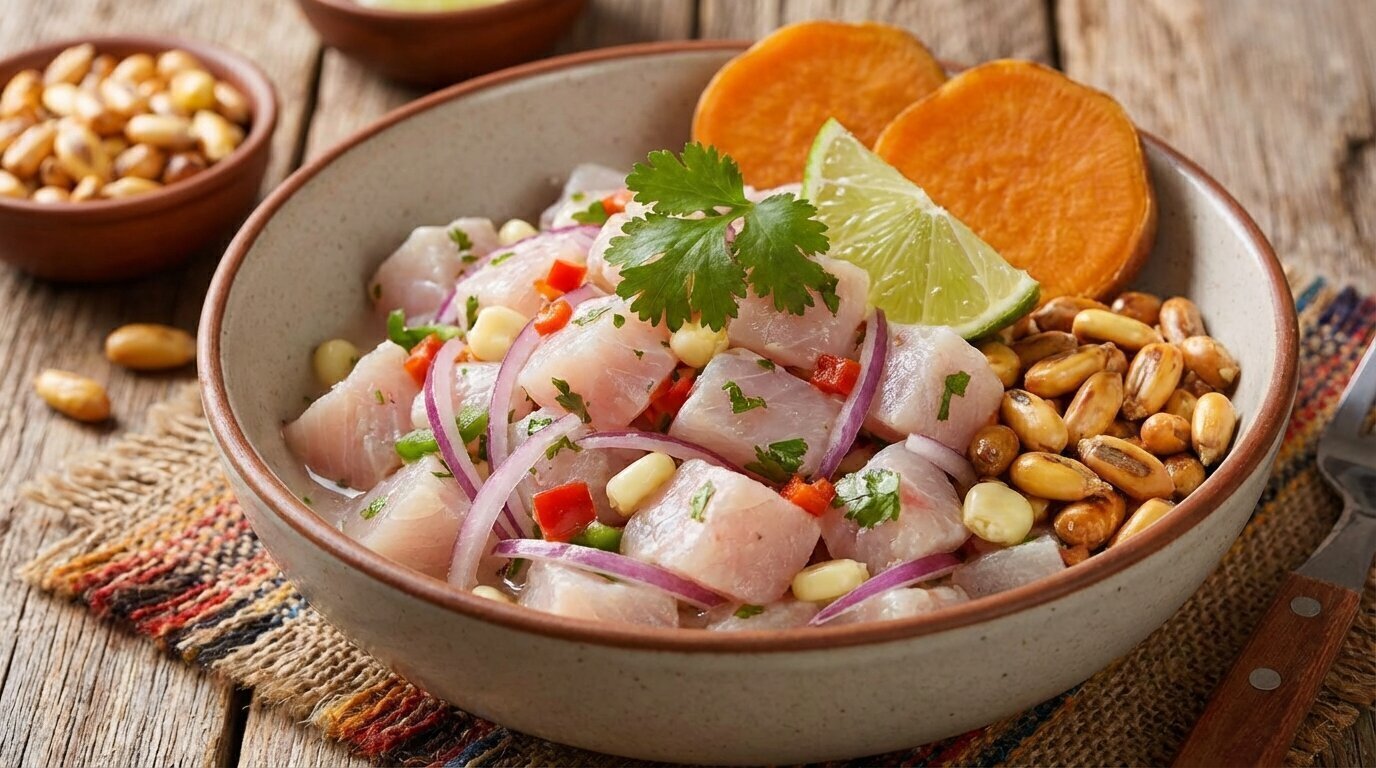
At its core, ceviche is a traditional seafood dish prepared by marinating fresh, raw fish or shellfish in citrus juices, most commonly lime or lemon. This acidic marinade works a unique kind of magic: it "cooks" the fish without heat, denaturing the proteins and transforming its opaque flesh into a firm, flavorful delicacy. Seasoned meticulously with red onions, chili peppers, salt, and cilantro, the resulting dish is served chilled, offering a refreshingly tangy and spicy flavor profile that is utterly emblematic of coastal Peruvian cuisine. Best enjoyed fresh, ideally with the ocean breeze on your face, ceviche is a testament to the power of simple, high-quality ingredients.
What Makes Peruvian Ceviche So Special? The Art of the Leche de Tigre
While variations of raw fish salads exist globally, the Peruvian style of ceviche stands out as the most iconic, particularly due to its distinctive marinade known as leche de tigre – "tiger's milk." This potent, flavorful elixir is the true soul of the dish, a vibrant concoction that's often savored on its own as a shot or a hangover cure, revered for its invigorating properties.
- The Citrus Alchemy: The foundation of leche de tigre is freshly squeezed lime juice. Its high acidity is crucial for the "cooking" process, tenderizing the fish and infusing it with a bright, tangy essence. Unlike other curing methods, this rapid marination is key to Peruvian ceviche, preserving the fish's delicate texture.
- A Symphony of Flavors: Beyond the lime, leche de tigre typically incorporates slivers of potent red onion, the aromatic kick of fresh cilantro, and the essential heat of ají limo or rocoto chili peppers. A touch of salt balances the acidity, while sometimes a hint of fish stock or even a piece of the raw fish itself is blended into the marinade to deepen its savory notes.
- Premium Seafood Selection: The quality of the fish is paramount. Traditional Peruvian ceviche often features firm, white-fleshed fish like sea bass (corvina), flounder, or tilapia. Shrimp and other shellfish are also popular choices, always chosen for their absolute freshness and often sustainably sourced from local Peruvian waters. The fish is typically cut into bite-sized cubes, allowing maximum surface area for the marinade to work its magic quickly and evenly.
Beyond the primary ingredients, Peruvian ceviche is rarely served alone. It comes with a harmonious ensemble of side dishes that provide textural contrast and complementary flavors. Boiled giant corn kernels (choclo) offer a sweet, starchy chew, while slices of sweet potato (camote) add a velvety sweetness that mellows the chili's heat. Crunchy toasted corn (cancha) or crispy plantain chips provide a delightful counterpoint, making each spoonful a complex and satisfying experience.
A Culinary Time Capsule: Ceviche's Rich History & Evolution
The story of ceviche is not just a culinary tale; it's an archaeological journey spanning over two millennia, deeply intertwined with the history of Peru itself. Its roots stretch back to ancient pre-Columbian Andean civilizations along Peru's Pacific coast, long before modern refrigeration or citrus fruits were even a concept.
Ancient Origins and Indigenous Innovation
Indigenous peoples along the coast, relying heavily on the bountiful Pacific Ocean, developed methods to preserve and flavor their fresh catches. Early forms of ceviche involved marinating fish using fermented corn beer or the acidic juices of local fruits like tumbo (banana passionfruit). Combined with salt and chili peppers, these methods not only preserved the fish but also imparted distinctive flavors. This deep historical connection is even reflected in the most common etymological theory for the word "ceviche," which traces back to the Quechua language, an indigenous tongue spoken widely in the Andes. It's believed to derive from siwichi, meaning "fresh fish" or "tender fish," a name that directly links the dish to these ancient practices of marinating fresh catches from the sea.
The Spanish Conquest and Citrus Revolution
The 16th century brought a pivotal turning point with the Spanish conquest. European colonizers introduced new ingredients, most notably citrus fruits like limes and bitter oranges. These rapidly replaced earlier, slower marinades, allowing for the quick-curing method that defines modern ceviche. The introduction of citrus didn't just change the flavor profile; it revolutionized the preparation, accelerating the "cooking" process and creating the zesty, vibrant dish we recognize today. While an alternative theory links "ceviche" to the Spanish term escabeche, a European pickling method, the Quechua origin often feels more resonant with the dish's deep pre-Hispanic roots.
Japanese (Nikkei) Influence: Refinement and Fusion
In the late 19th and early 20th centuries, waves of Japanese immigrants, known as Nikkei, arrived in Peru. Their culinary traditions, particularly their reverence for raw fish as seen in sashimi, further refined ceviche preparation. The Nikkei advocated for significantly shorter marination times, often just minutes, to preserve the fish's delicate texture and natural flavors, rather than allowing the citrus to fully "cook" it for hours. This influence elevated ceviche to new gastronomic heights, contributing to the development of Peru's acclaimed Nikkei fusion cuisine and cementing its status as a sophisticated culinary art form.
Beyond the Plate: Ceviche's Cultural Heartbeat in Peru
In Peru, ceviche is far more than just a meal; it's a profound cultural symbol, embodying national identity, biodiversity, and communal bonding. It’s a dish that tells stories, celebrates heritage, and brings people together.
A Symbol of National Pride and Biodiversity
Ceviche represents Peru's rich coastal biodiversity, its abundant marine life, and the ingenuity of its people. It's a dish found in every corner of the country, from humble beach shacks to Michelin-starred restaurants, each offering a unique regional twist while adhering to the core principles. It's often prepared in homes, especially for weekend gatherings, or enjoyed at specialized eateries known as cevicherías. Here, skilled cooks – often women who have inherited recipes and techniques through generations – emphasize the use of incredibly fresh, sustainable seafood from local waters, turning the preparation into a true craft.
UNESCO Recognition and Global Acclaim
The international community has also recognized the immense cultural significance of this dish. In 2023, UNESCO inscribed the practices and meanings associated with the preparation and consumption of Peruvian ceviche on the Representative List of the Intangible Cultural Heritage of Humanity. This prestigious recognition acknowledges its vital role in fostering social gatherings, connecting communities, and its association with festivities like Saint Peter's Day, a traditional celebration for fishers across Peru's coastal communities. To delve deeper into this monumental achievement and its implications, you can read more about UNESCO's Ceviche: Peru's Iconic Dish of Culture & Heritage.
Peruvian Dominance in Latin American Cuisine
While variations of ceviche exist throughout Latin America – such as Ecuadorian ceviche, which often features tomato-based sauces and peanuts, or Mexican versions incorporating avocado and served on tostadas – the Peruvian style remains the most iconic and celebrated globally. Its distinct preparation, emphasis on fresh ingredients, and balanced flavor profile have set a benchmark. The nation proudly celebrates its culinary jewel annually on National Ceviche Day, a testament to its enduring popularity and cultural weight. For a closer look at what makes Peruvian ceviche reign supreme, explore Peruvian Ceviche: Why It Reigns Supreme Among Latin Variations.
Crafting Your Own Ceviche: Tips for the Home Cook
The beauty of ceviche lies in its seeming simplicity, yet achieving that perfect balance requires attention to detail. Here are some practical tips if you're inspired to embark on your own ceviche journey:
- Freshness is Non-Negotiable: This is the golden rule. Since the fish is not cooked with heat, sourcing the freshest, sushi-grade fish is absolutely paramount for both flavor and safety. Visit a reputable fishmonger and ask for fish that was caught very recently.
- The Right Fish: Opt for firm, white-fleshed fish like snapper, halibut, sea bass, or cod. Scallops and shrimp also make excellent additions or alternatives, but ensure they are impeccably fresh.
- Quality Limes: Use fresh, juicy limes, not bottled lime juice. The flavor difference is significant. You might need more limes than you think, as the marinade relies heavily on their acidity.
- The Chili Factor: Authentic Peruvian ceviche uses ají limo or rocoto peppers for their distinctive heat and fruity notes. If these are unavailable, serrano or even a touch of habanero can work, but adjust to your spice preference.
- Mastering the Marination Time: This is where the Nikkei influence shines. For delicate fish, a marination of 5 to 15 minutes is often enough to "cook" the fish while preserving its tender texture. Over-marinating can result in tough, rubbery fish. You want the fish to just turn opaque.
- Serving Immediately: Ceviche is best enjoyed the moment it's prepared and served chilled. The longer it sits, the more the fish will "cook" and change texture.
- Balance is Key: Taste your leche de tigre as you go. Adjust salt, chili, and lime until you achieve a harmonious balance of tangy, spicy, and savory flavors. A pinch of sugar can sometimes help to round out an overly tart marinade.
Beyond being a flavorful appetizer, ceviche is also a remarkably healthy dish, being low in fat and high in lean protein. It's a vibrant, fresh choice perfect for warm weather or as a light, yet satisfying, meal. Don't be afraid to experiment with your own accompaniments, perhaps even adding mango or avocado for a modern twist, but always respect the core principles of freshness and balance.
Conclusion
From its ancient origins in pre-Columbian Peru to its elevated status as a UNESCO-recognized intangible cultural heritage, ceviche is a testament to culinary evolution and enduring tradition. It embodies the spirit of Peru – its rich history, vibrant biodiversity, and a deep appreciation for fresh, honest ingredients. This zesty journey into raw fish is more than just a dish; it's a sensory exploration, a cultural touchstone, and an undeniable global icon. So, whether you're savoring it on a Peruvian beach or crafting your own at home, take a moment to appreciate the incredible story and passion that goes into every refreshing, tangy, and spicy bite of this truly extraordinary creation.
